
If you have ever stood in your living room staring at a blank wall, wondering why it still feels unfinished even with a TV mounted on it, you are not alone. This is one of the most common issues homeowners bring to RAM Furniture, and it almost always comes down to one thing: the space is missing a proper media wall.
A media wall is not just a place to hang your television. Done right, it becomes the anchor of the entire room, tying together storage, lighting, and decor into something that feels designed rather than assembled. If you want this handled by a specialist rather than piecing it together yourself, our media wall dubai service covers everything from layout planning to final installation.
Quick Answer: How to Design a Media Wall in 5 Steps
Short on time? Here is the fast version before we go deeper into each step:
- Assess how you use the room (formal lounge, family space, entertaining guests) before choosing a design.
- Pick a layout that fits your wall size: full-wall paneling, floating unit, recessed niche, or modular shelving.
- Choose a material based on both looks and maintenance: wood, stone, or laminate all have trade-offs.
- Plan lighting and cable management into the design from the start, not as an afterthought.
- Decide between custom-built or ready-made, depending on your wall’s shape, budget, and timeline.
That is the outline. Now let’s break down why each step matters and how to get it right for your specific space.
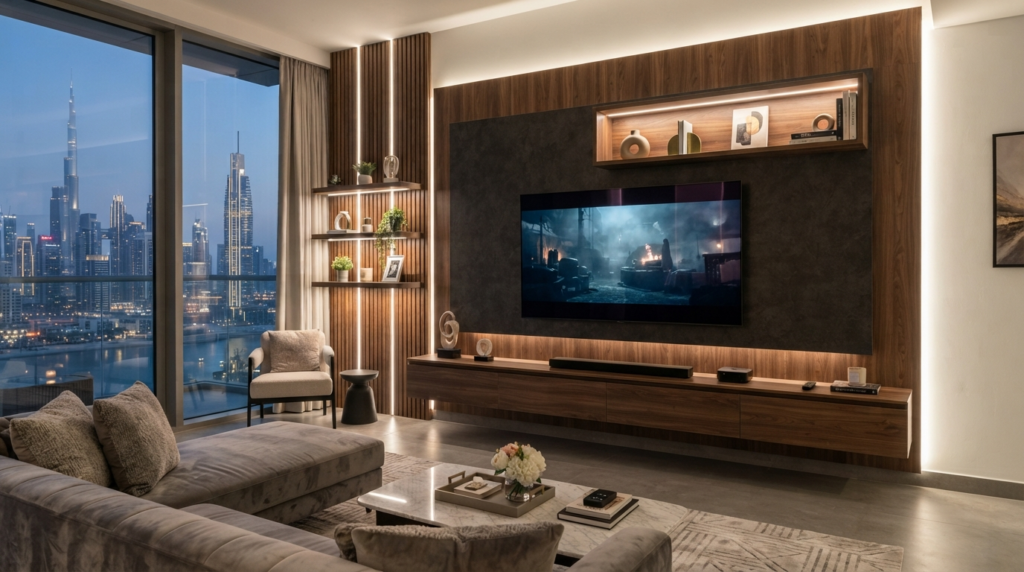
What Exactly Is a Media Wall (And Why It’s Different From a TV Unit)
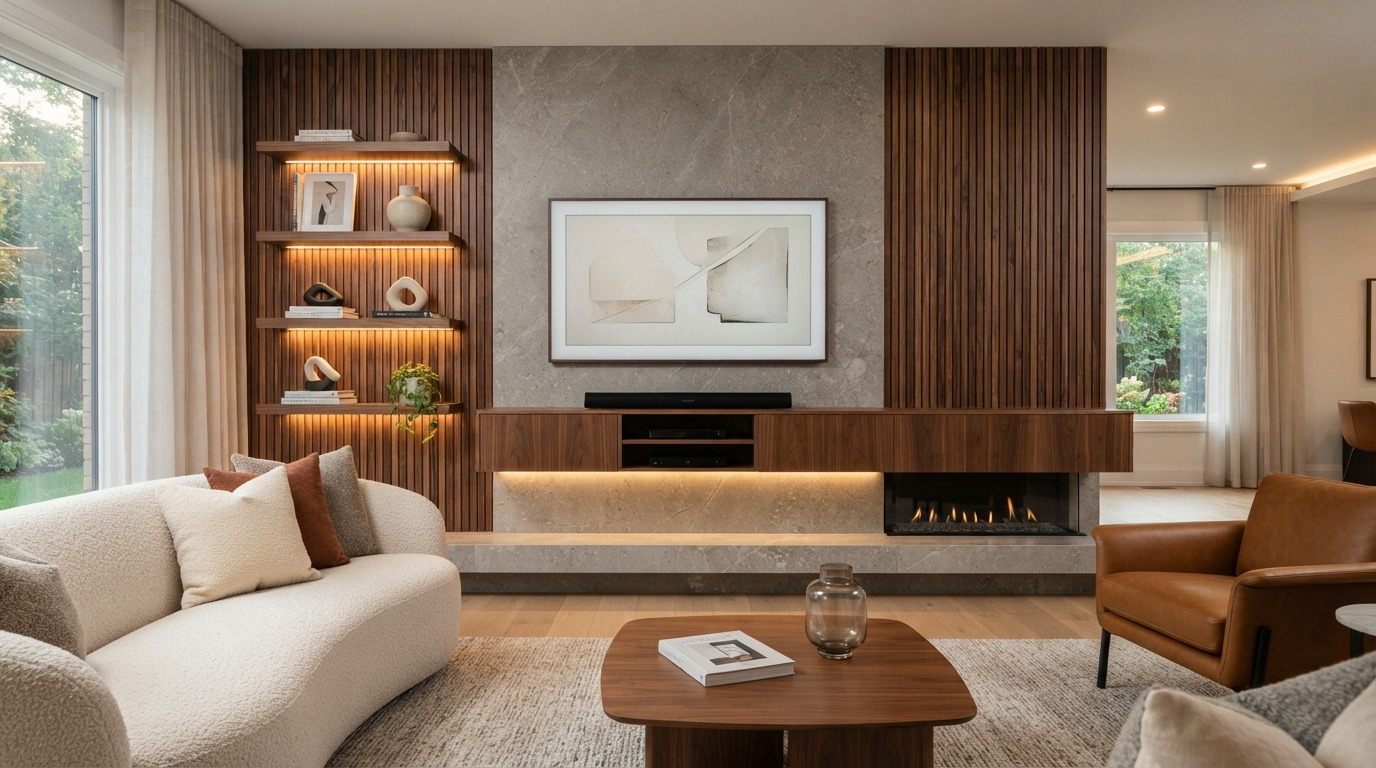
A traditional TV unit is a standalone piece of furniture. A media wall is a full wall treatment that combines several elements into one design:
- A TV mounting section (recessed or surface-mounted)
- Storage cabinets or open shelving
- Ambient or accent lighting
- Decorative panelling, textured finishes, or a feature material like stone or wood
Think of it as designing the wall as one cohesive unit rather than placing furniture in front of it. This is exactly why a well-planned TV media wall Dubai homeowners invest in tends to look far more expensive than it actually costs, because the design does the heavy lifting, not just the materials.
Step 1: Start With How You Actually Use the Room
Before picking finishes or colors, be honest about how the space is used day to day.
Do you host guests often? Do kids use the living room for homework or play? Is this for a formal lounge or a casual family room? These answers shape everything from shelf height to how much closed storage you need to hide clutter.
Measure Twice, Design Once
Get accurate measurements of the wall width, ceiling height, and the distance from where people typically sit. This determines your ideal TV size and mounting height, and prevents the common mistake of a media wall that looks either oversized or awkwardly small once installed.
Step 2: Choose a Layout That Matches Your Space
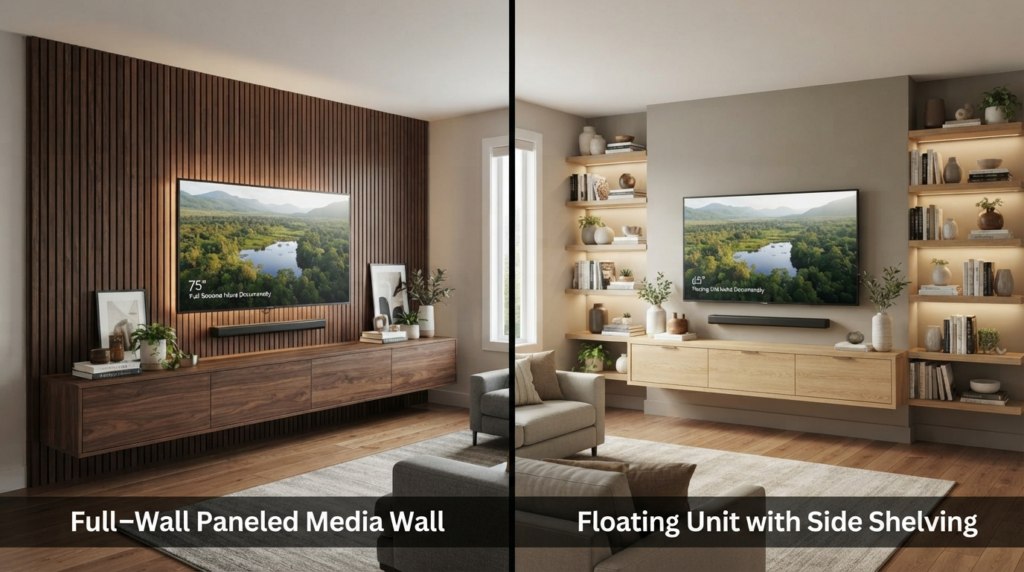
Not every layout works for every room. Here is a quick breakdown of the most common configurations used in a Living Room Media Wall setup.
| Layout Type | Best For | Pros | Cons |
| Full-wall paneling | Large living rooms, open-plan spaces | Creates a strong focal point, hides all wiring | Higher cost, needs professional installation |
| Floating unit with side shelving | Medium-sized rooms | Balanced storage and display, budget-friendly | Limited hiding space for larger equipment |
| Recessed TV niche | Rooms with structural walls | Seamless, minimal look, no visible mount | Requires wall modification, less flexible later |
| Modular shelving wall | Apartments, rental spaces | Flexible, can be reconfigured or moved | Less built-in, custom feel |
There is no single “best” option here. A recessed niche looks stunning but is impractical if you are renting. A modular wall is flexible but will not give you that seamless custom look. The right choice depends on your space and how long you plan to stay in it.
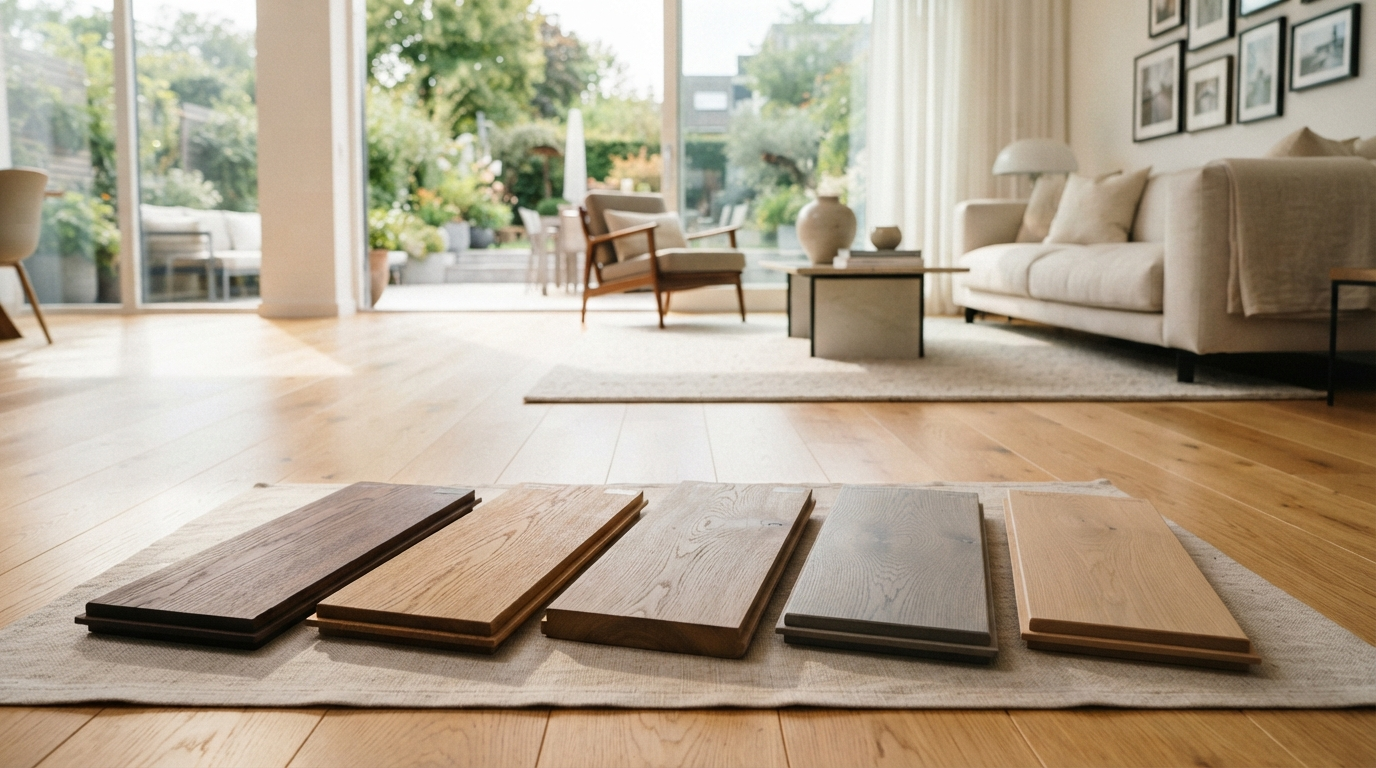
Step 3: Pick Materials That Balance Looks and Practicality
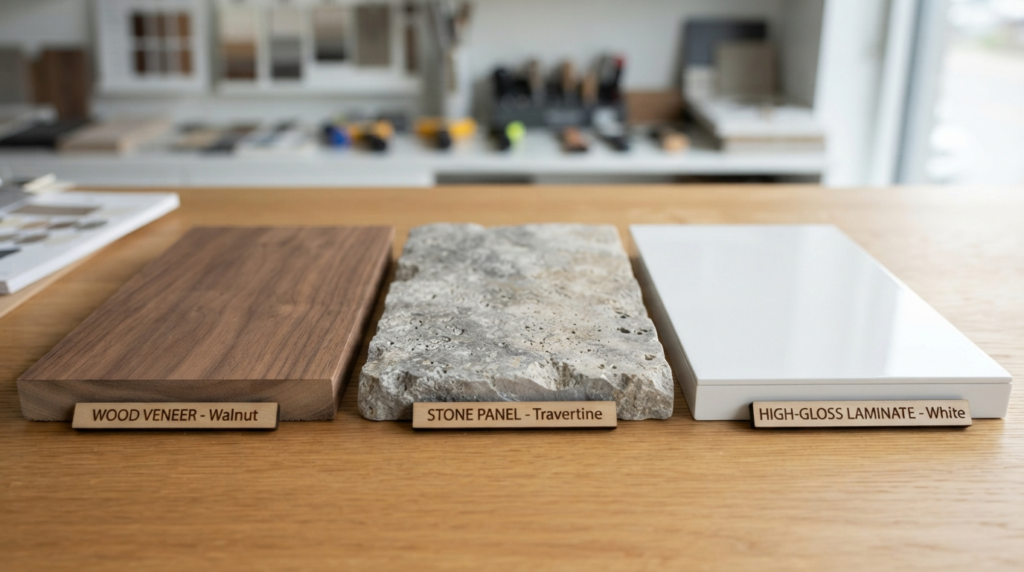
This is where most Modern Media Wall Design ideas either succeed or fall apart. Materials affect the visual style, cost, and how the unit ages over time.
Wood and Wood Veneer
Pros:
- Warm, timeless appearance
- Easy to pair with different color schemes
- Durable when properly sealed
Cons:
- Can be more expensive depending on the type
- Requires occasional maintenance to avoid warping in humid climates
Stone or Textured Panels
Pros:
- Strong visual impact, great as a feature wall
- Highly durable and low maintenance
Cons:
- Heavier, may need additional wall support
- Limited flexibility if you want to change the look later
High-Gloss Laminate
Pros:
- Budget-friendly
- Easy to clean, reflects light well in smaller rooms
Cons:
- Shows scratches and fingerprints more easily
- Can look less premium up close compared to natural finishes
Step 4: Don’t Forget Lighting and Cable Management
A media wall without proper lighting loses half its impact. LED strip lighting behind the TV or under floating shelves adds depth and softens the harsh glare of a screen at night.
Cable management matters just as much. Nothing ruins a clean design faster than visible wires trailing across a beautifully finished wall. Plan cable routing into the design from day one, not as an afterthought.
If you are also working on a workspace setup, business layouts follow slightly different rules. Our post on office media wall design ideas for modern Dubai workspaces covers layouts built for meeting rooms and reception areas.
Common Mistakes to Avoid When Designing a Media Wall
- Mounting the TV too high: This forces an uncomfortable neck angle during long viewing sessions.
- Ignoring scale: A tiny unit on a large wall looks lost, while an oversized one overwhelms a small room.
- Skipping ventilation: Enclosed cabinets housing consoles or set-top boxes need airflow to avoid overheating.
- Overcrowding with decor: A media wall should feel curated, not cluttered with mismatched frames and ornaments.
- Choosing style over function: A stunning design with zero storage will frustrate you within months.
For a closer look at how small design choices affect the feel of a room, our article on TV unit design mistakes that make your living room look smaller is a useful companion read.
Step 5: Decide Between Off-the-Shelf and Custom Solutions
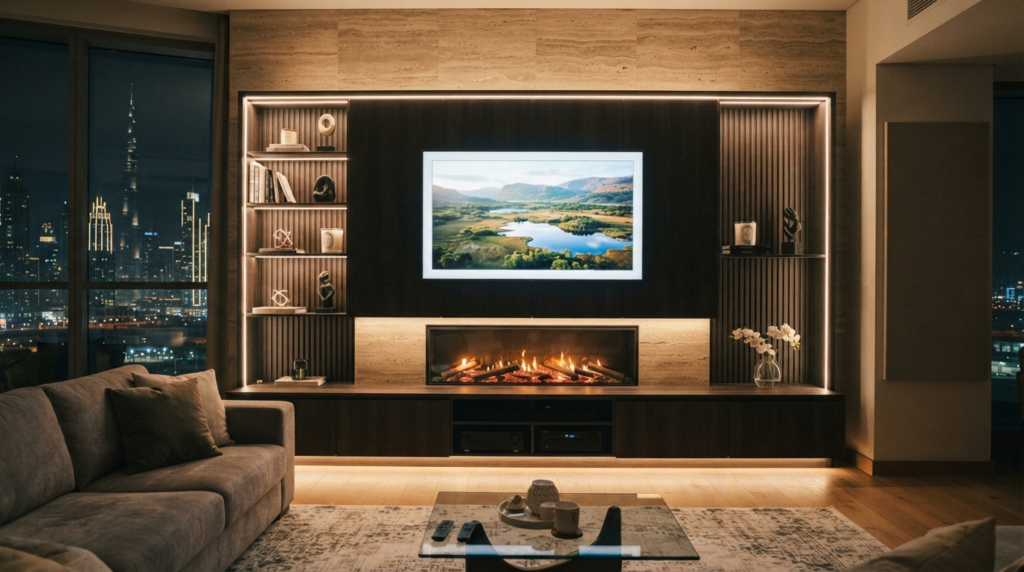
Ready-made units are convenient and often cheaper upfront, but they rarely fit oddly shaped walls or specific storage needs. A Custom Media Wall Dubai homeowners request usually comes down to wanting a design that fits an exact wall dimension, matches existing interior finishes, or includes built-in features like fireplace integration or hidden charging ports.
Pros of custom builds:
- Tailored exactly to your wall size and room style
- Can integrate specific storage or tech needs
- Higher long-term satisfaction since nothing feels “off”
Cons of custom builds:
- Longer lead time compared to buying off the shelf
- Generally a higher initial investment
Pros of ready made units:
- Faster to obtain and install
- Usually more budget-friendly
Cons of ready made units:
- Limited to standard sizes and finishes
- May not maximize awkward or unusual wall spaces
If your space has unusual proportions or you have a specific vision in mind, working with a specialist tends to save time in the long run, since revisions happen at the design stage rather than after installation.
Bringing It All Together
A media wall works best when every decision, from layout to lighting to material, is made with your actual lifestyle in mind rather than just a photo you liked online. Start with how you use the room, choose a layout that fits realistically, and then layer in materials and lighting that match your maintenance comfort level.
You can browse real, completed setups on our portfolio page to see how these principles look once installed in actual Dubai homes.
If you are ready to plan your own space, our team can walk you through layout options, material samples, and realistic timelines. Reach out through our contact us page and we will help you figure out what actually works for your wall, your room, and your budget.
Frequently Asked Questions
How much does a media wall cost in Dubai?
Costs vary widely based on size, materials, and whether you choose a custom or ready-made design. A simple floating unit with basic shelving will cost far less than a full-wall custom build with stone paneling and integrated lighting. It is best to get a quote based on your specific wall dimensions and material preference.
Is a media wall better than a traditional TV cabinet?
It depends on the look you want. A media wall offers a more integrated, designed appearance and often includes better cable management and lighting options. A traditional TV cabinet is more flexible if you rent or move often, since it is not fixed to the wall structure.
Can I add a media wall to a rented apartment?
Yes, but modular or floating options are usually a better fit than recessed or heavily built-in designs, since they require less permanent wall modification and can be adjusted or removed more easily.
What is the ideal height to mount a TV on a media wall?
A general guideline is having the center of the screen at eye level when seated, which for most living rooms works out to roughly 42 to 48 inches from the floor. This can shift slightly depending on seating distance and furniture height.
Do media walls need professional installation?
Simple floating shelves can sometimes be a DIY project, but full media walls involving electrical work, lighting, or structural changes are best handled by professionals to avoid wiring issues or wall damage down the line.
How do I stop my media wall from looking cluttered?
Stick to a limited color palette, use closed storage for items you do not want visible, and avoid overfilling open shelves with too many decorative pieces. A media wall should feel intentional, not crowded.