
Walk into any office and you can usually tell within a minute whether the furniture is working for the people using it. Someone is shifting in their seat every few minutes. Another person has abandoned their desk for the breakroom table because their chair is giving them a backache. A third is squinting at a screen that’s too low, shoulders hunched, clearly not doing their best work anymore.
This is a scene we’ve watched play out in dozens of offices over the years, and it always comes back to the same root cause: office furniture. It’s rarely talked about as a performance issue, but it should be. Over time, we’ve worked with businesses on everything from single workstation upgrades to full custom office furniture in Dubai fit-outs, and the pattern is always the same. Fix the furniture, and the fatigue, distraction, and complaints tend to fix themselves too.
This article breaks down exactly how furniture choices shape employee output, what to avoid, and how to make smarter decisions for your workplace.
Quick Overview
- Office furniture affects comfort, focus, energy levels, and absenteeism, not just appearance
- Ergonomic chairs and adjustable desks reduce strain and support longer, more focused work sessions
- Custom furniture suits irregular spaces and specific branding, while ready-made suits speed and budget
- Cluttered layouts and mismatched furniture quietly affect mood and mental focus
- Reviewing furniture regularly, not just at move-in, keeps performance issues from building up
Why Office Furniture Affects More Than Just Looks
Most people assume furniture is a design decision. In reality, it’s a productivity decision wearing a design costume.
The chair someone sits in for eight hours, the desk height they work at, and the layout of their workstation all directly affect how much energy, focus, and comfort they carry through the day. Poor furniture doesn’t just look outdated. It creates friction that slows people down without them even realizing why.
The Physical Comfort Connection
Physical discomfort is the most direct link between furniture and performance. A chair without proper lumbar support forces the body to compensate, which leads to fatigue long before the workday ends.
- Reduced pain from ergonomic seating means fewer stretch breaks and more sustained focus
- Proper desk height prevents shoulder and wrist strain during typing-heavy tasks
- Supportive furniture lowers long-term injury risk, which cuts down on sick days
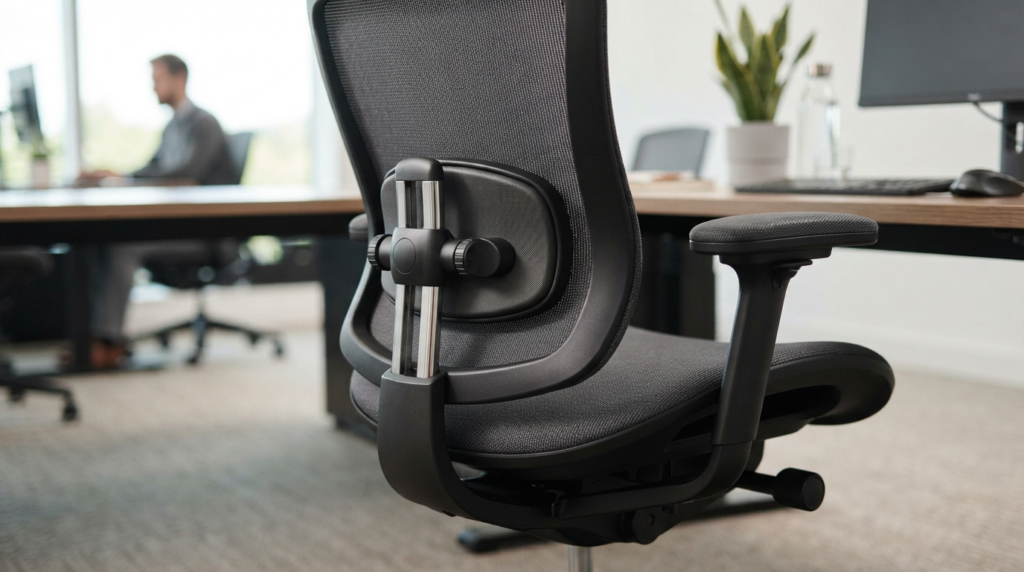
None of this is new information, perhaps it’s consistently the most overlooked factor when businesses furnish an office on a tight timeline.
The Focus and Energy Connection
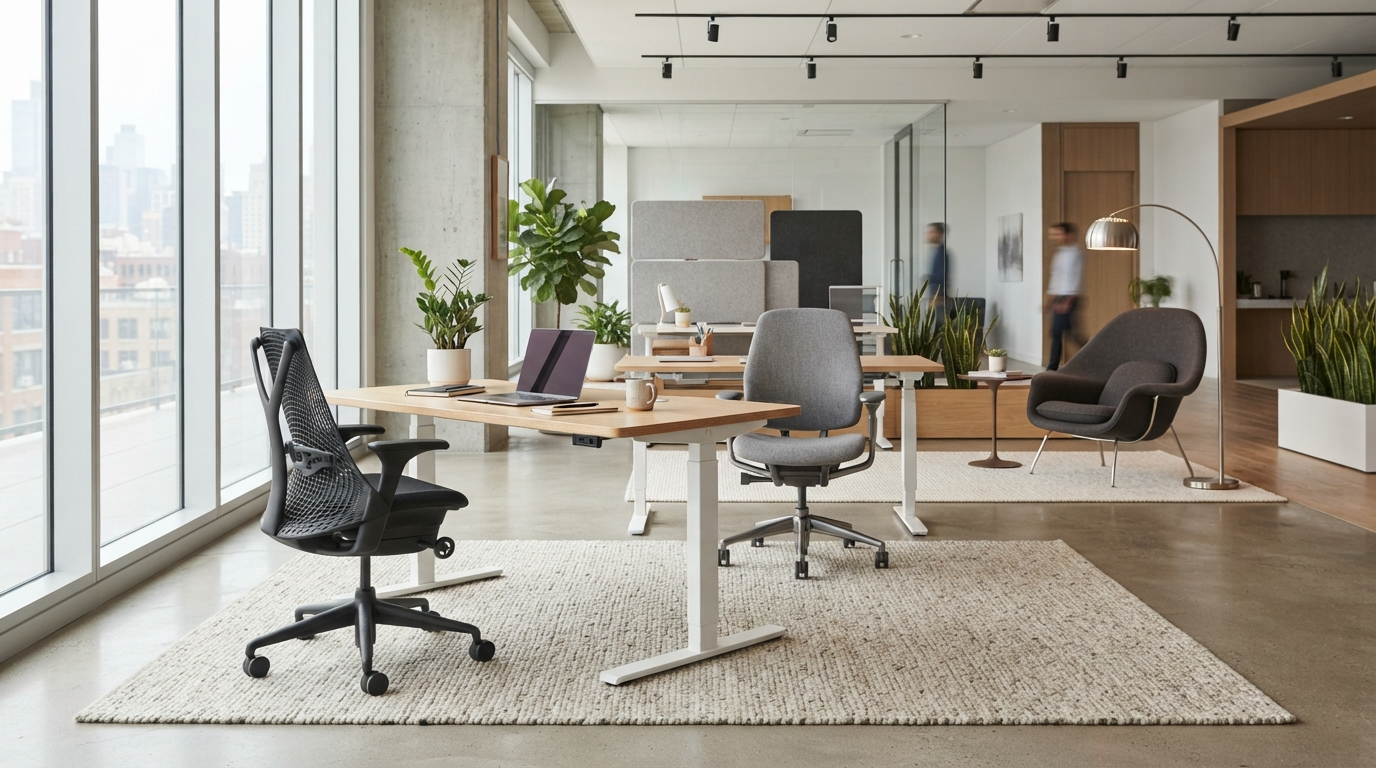
Beyond comfort, furniture also affects how long someone can stay mentally engaged. Height-adjustable desks let employees switch between sitting and standing, which keeps circulation active and prevents the mid-afternoon slump many teams describe as “just how work feels.”
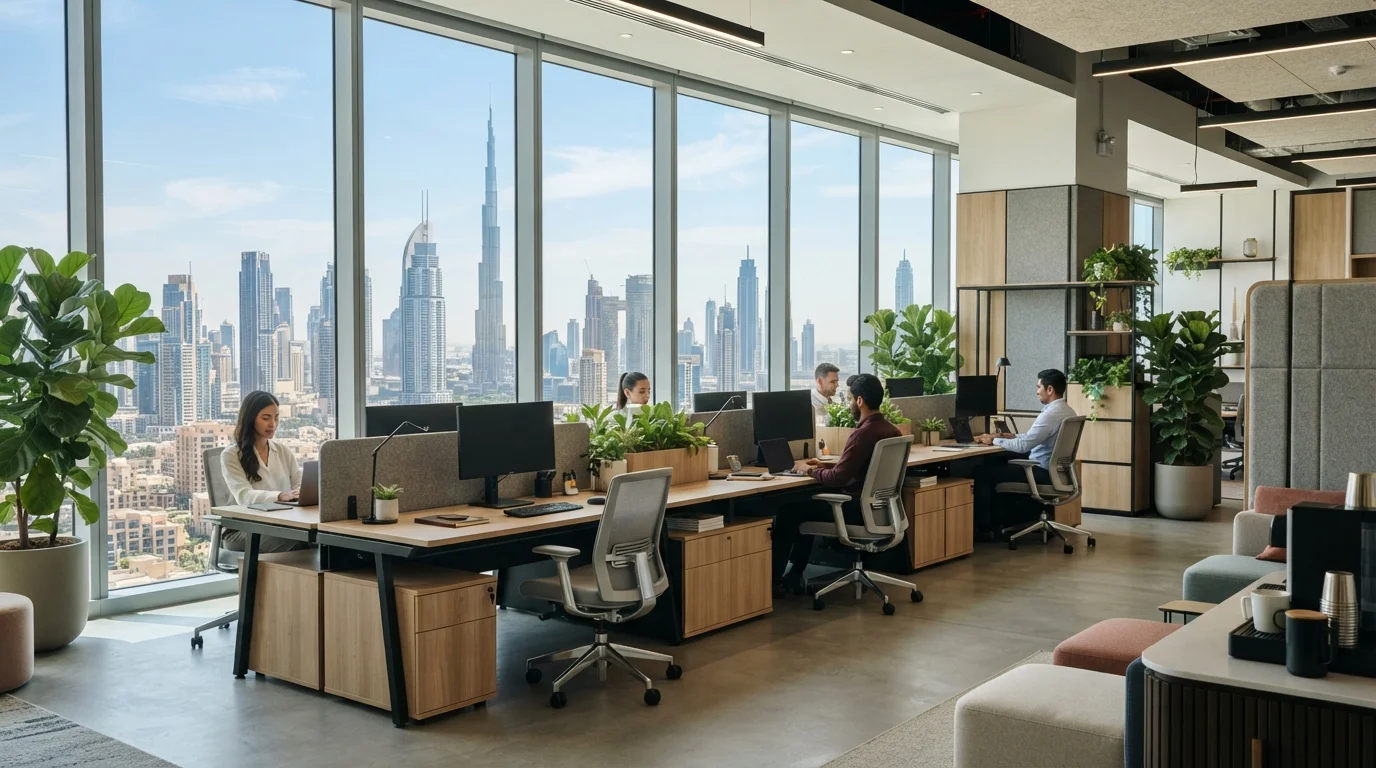
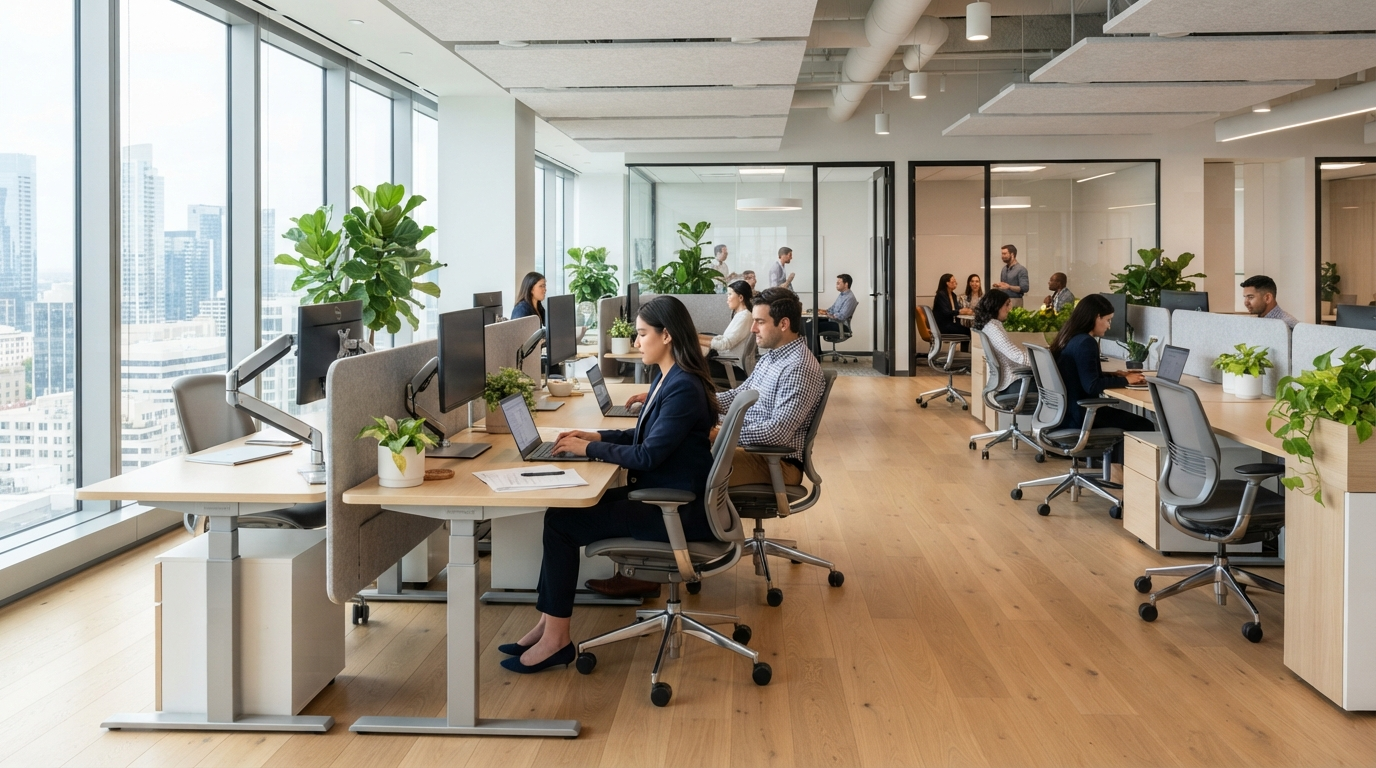
Well planned office workstations Dubai businesses are increasingly investing in also reduce the small interruptions that add up over a day, like reaching too far for a monitor or twisting awkwardly to grab a document.
Furniture Types and Their Impact on Performance
Different furniture categories affect performance in different ways. Here’s an honest look at where each one helps and where it falls short, without pushing you toward one option over another.
| Furniture Type | Best For | Consideration |
| Ergonomic chairs | Long hours at a desk, reducing back strain | Higher upfront cost than standard chairs |
| Height-adjustable desks | Teams wanting movement and flexibility | Requires more floor space and budget |
| Custom office furniture | Businesses with specific space or brand needs | Longer lead time than ready-made pieces |
| Ready-made furniture | Fast setup, smaller budgets | Less tailored to exact workflow needs |
Pros and Cons of Ergonomic Seating
- Pros: Reduces back and neck strain, supports longer focus periods, lowers absenteeism from chronic discomfort
- Cons: Costs more per unit, some designs take adjustment time for new users
Pros and Cons of Height-Adjustable Desks
- Pros: Encourages movement, helps sustain energy through the day, supports varied working styles
- Cons: Larger footprint, higher price point, not always necessary for every role
If you’re still weighing which direction fits your business, our earlier guide on how to choose the right office furniture for your business walks through the decision step by step.
Custom vs Ready-Made: What Actually Affects Performance
This is one of the most common questions we get from businesses fitting out new offices. Neither option is universally better. It depends on the space and the team.
- Custom office furniture is built around your exact layout, workflow, and branding. It tends to reduce wasted space and awkward workstation setups, but it takes longer to produce and generally costs more.
- Ready-made furniture is quicker to source and often cheaper upfront, but may not fit irregular spaces or specific ergonomic needs as precisely.
We’ve covered this comparison in more depth in our post on custom furniture vs ready made furniture, which is worth a read if budget and timeline are both factors for you.
Morale, Layout, and the Overhead Costs Nobody Tracks
Performance isn’t only physical. The way an office looks and feels affects mood, and mood affects output.
Aesthetics and Mental Focus
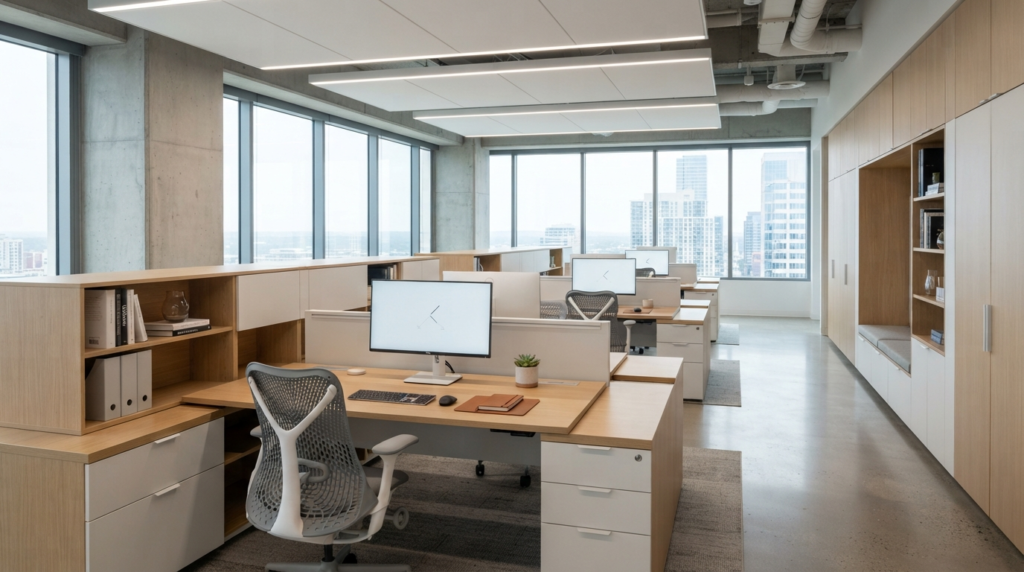
Lighter tones and thoughtful color choices in office interior furniture tend to create calmer, less stressful environments. Cluttered, mismatched furniture does the opposite, even if nobody can quite explain why the room feels tense.
Layout and Organization
Smart storage and clean layouts reduce the small daily frustrations of searching for files or navigating tight spaces. This is especially visible in businesses using modern office furniture Dubai companies have started favoring for open-plan layouts, where clutter becomes obvious fast.
Common Mistakes Businesses Make With Office Furniture
- Buying furniture based purely on price instead of daily usage needs
- Ignoring desk height and monitor placement, leading to posture issues
- Choosing one-size-fits-all seating for teams with very different roles
- Overlooking storage needs until the office already feels cluttered
- Delaying furniture upgrades until complaints or sick days become frequent
Most of these mistakes come from treating furniture as a one-time purchase rather than an ongoing part of how the team performs. You can see examples of layouts and setups that avoid these pitfalls in our portfolio, where past projects show how thoughtful planning changes the feel of a space.
Getting It Right the First Time
The businesses that get the most out of their office furniture usually do three things well. They involve the people who’ll actually use the furniture in the decision. They think about the space realistically instead of guessing. And they treat furniture as an investment in output, not just an office expense.
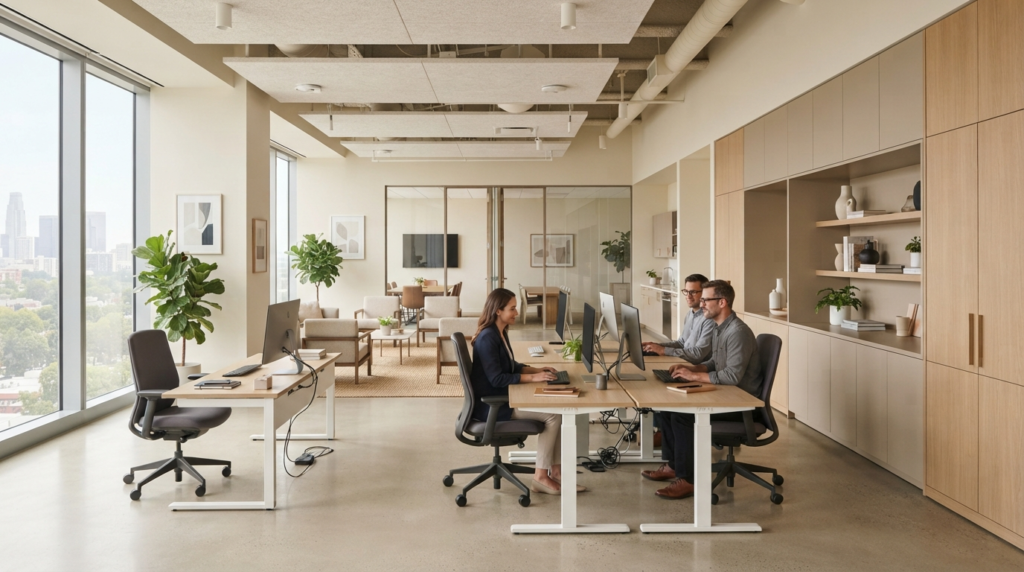
If you’re planning a new office fit-out or replacing worn-down pieces, it’s worth getting advice specific to your space rather than following generic buying guides. Our team has handled this exact conversation with businesses across Dubai for years, and every space has its own quirks worth planning around.
Ready to Rethink Your Office Setup?
If discomfort, clutter, or an outdated layout is quietly slowing your team down, it might be time for a change. RAM Furniture works with businesses across Dubai to plan and deliver furniture that actually supports how people work, not just how the office looks in photos.
Learn more about our approach on our about us page, or reach out through our contact us page to talk through what your space actually needs.
Frequently Asked Questions
Does office furniture really affect productivity?
Yes. Discomfort from poor seating or desk height leads to more breaks, less focus, and higher fatigue over the day, all of which reduce output.
What is the most important piece of office furniture for performance?
The chair is usually the biggest factor since employees spend the most continuous hours in it, but desk height and monitor positioning matter almost as much.
Is custom office furniture worth the extra cost?
It depends on your space. If your office has an irregular layout or specific branding needs, custom furniture often reduces wasted space and improves daily workflow. For more straightforward layouts, ready-made pieces may work just as well. Our guide on choosing the right office furniture can help you decide.
How often should a business replace office furniture?
There’s no fixed rule, but visible wear, frequent comfort complaints, or a layout that no longer fits the team’s size are all signs it’s time to review your setup.
Can furniture layout affect team morale, not just individual performance?
Yes. Cluttered or poorly planned layouts create daily friction that adds up, while clean, well-organized spaces tend to feel calmer and easier to work in.